


High-Pressure Solar Water Pump Selection Guide
#Knowledge ·2026-07-31 09:34:03
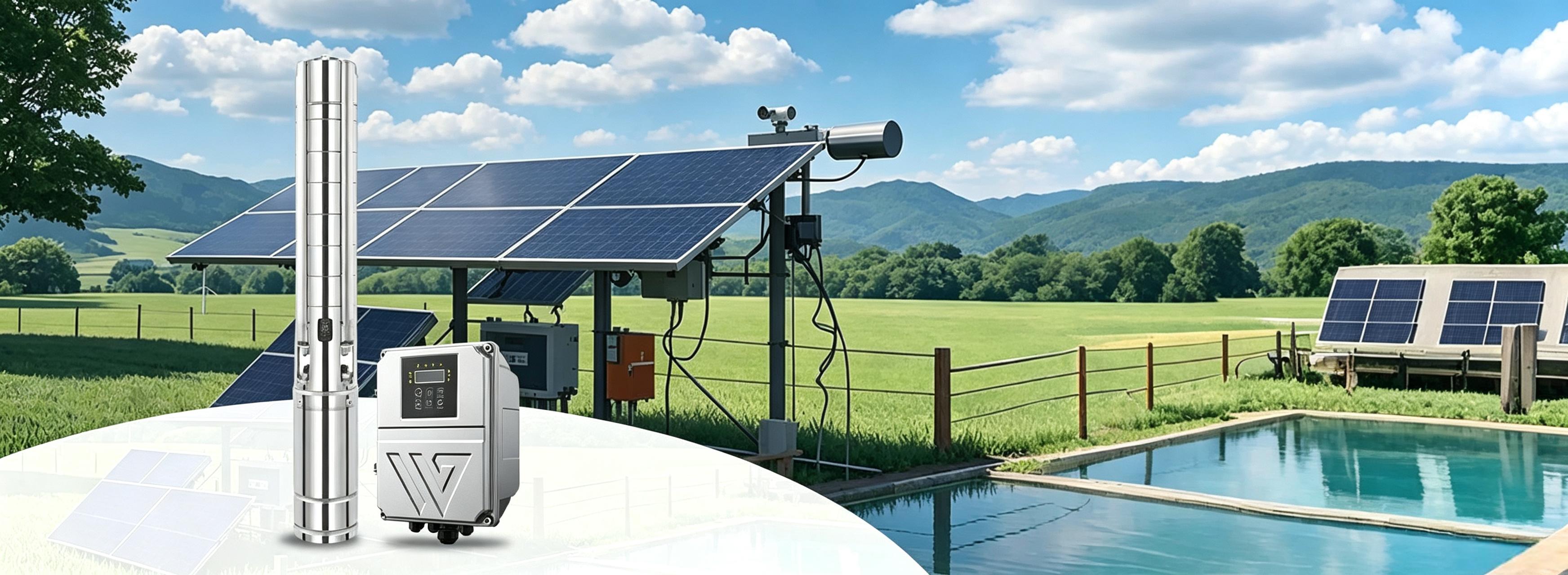
High-pressure solar water pumps are systems that combine solar photovoltaic power generation technology with water pumps. They are suitable for scenarios such as agricultural irrigation, livestock drinking water, courtyard irrigation, and domestic water supply in areas without power grid coverage. When purchasing, it is necessary to comprehensively consider system performance, environmental adaptability, and product reliability. The following are key selection points.
Power and Voltage: The pump motor power determines its pumping capacity and must be matched with the output power of the solar panel. Common system voltages are 12V, 24V, or 48V DC. Products with a wide input voltage range (e.g., 12V/24V compatibility) and ultra-low starting current should be selected to ensure effective operation on cloudy days or in low light conditions, which is especially important for battery-powered mobile applications (such as RVs and camping).
Head and Flow Rate: Head refers to the vertical height that a water pump can lift water, while flow rate refers to the amount of water discharged per unit time. The required head needs to be calculated based on the height difference between the actual water usage point and the water source, the pipe length, and friction losses. The required flow rate is then determined based on the total daily water consumption and the distribution of water usage during different time periods. When purchasing, a product with a rated value slightly higher than the calculated value should be selected to cope with fluctuations in sunlight.
Energy Efficiency and Automatic Control: Prioritize products using permanent magnet motors and variable frequency technology. These pumps automatically adjust their speed according to actual water demand, enabling intelligent start-stop and near-zero power consumption when not in use, significantly improving overall system energy efficiency. Products with water shortage protection can automatically shut down when the water source dries up, preventing damage from dry running.